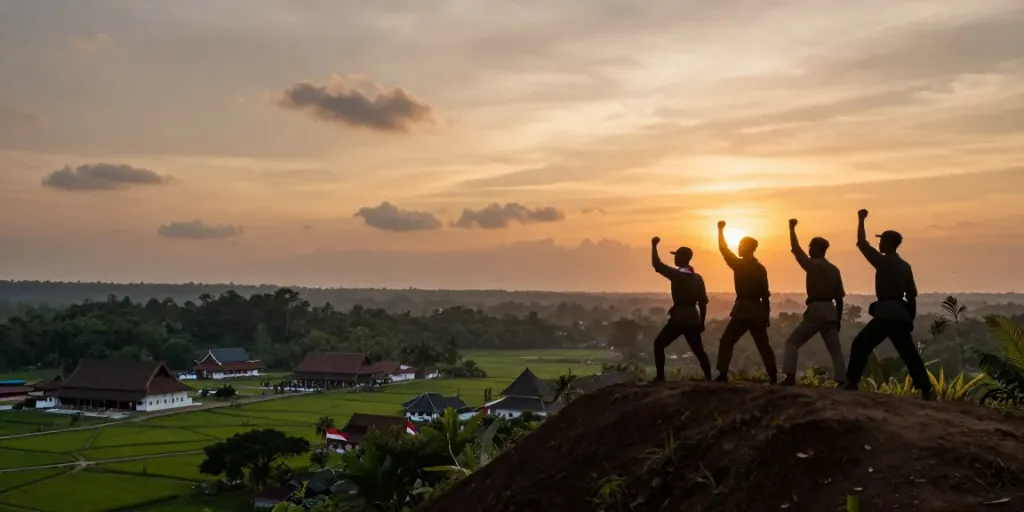
The Context of the Dutch-Indonesian War
The Dutch-Indonesian War, a significant chapter in the annals of Indonesian history, traces its roots back to the colonial era, where the Dutch entrenched themselves in the archipelago, redefining the socio-political landscape. Understanding this context is crucial as it provides insights into the struggles that shaped modern Indonesia. The colonial legacy not only sowed the seeds of conflict but also fueled a nationalist sentiment that would later ignite a fierce struggle for independence. For those looking to explore more about this historical context, the rokok88 login offers comprehensive insights into various historical narratives surrounding this topic.
Colonial Background and Its Impacts
The origins of the Dutch-Indonesian conflict can be traced back to the 17th century when the Dutch East India Company (VOC) established a colonial foothold in the Indonesian archipelago. The VOC's policies and monopolistic practices led to widespread exploitation of local resources, profoundly impacting the socio-economic structures of Indonesian society. This exploitation sowed deep-seated resentment, as indigenous populations faced oppression and marginalization.
The introduction of harsh taxation systems and forced labor resulted in social unrest, laying the groundwork for future resistance movements. As Western ideologies of nationalism began to spread, Indonesian intellectuals and leaders started to emerge, advocating for self-determination and independence. This emerging consciousness foreshadowed the inevitable clash between the growing Indonesian nationalist movement and the colonial regime.
Key Events Leading to Conflict
Several pivotal events laid the foundation for the Dutch-Indonesian War. The Japanese occupation during World War II (1942-1945) is often cited as a significant turning point. While the Japanese were also colonial oppressors, their involvement disrupted Dutch dominance and provided a unique opportunity for Indonesian nationalists to mobilize. Following Japan's surrender, the power vacuum that ensued catalyzed the Indonesian Declaration of Independence on August 17, 1945.
This declaration was met with swift resistance from the Dutch, who were intent on re-establishing their authority. The subsequent armed conflict erupted into a full-scale war, characterized by guerilla warfare and international diplomacy, as Indonesia sought recognition on the world stage.
Influential Figures in the Struggle
Throughout this tumultuous period, several key figures emerged as champions of the Indonesian independence movement. Sukarno, the first President of Indonesia, played a crucial role in unifying diverse factions under a nationalistic agenda, embodying the aspirations of millions for sovereignty. Alongside him, figures like Mohammad Hatta and Sutan Sjahrir contributed to the intellectual and political discourse that shaped the movement.
On the Dutch side, leaders like General Simon Spoor and Commander Johannes van Deventer strategized military campaigns to suppress the uprising, reflecting the colonial mindset that clashed sharply with Indonesian aspirations for self-rule. The ideological battle waged between these leaders not only defined the war but also left a lasting legacy on the political framework of post-colonial Indonesia.
Understanding the Key Battles
The Dutch-Indonesian War was marked by numerous battles that reflected the complexities of colonial warfare. The conflict was not merely a series of military engagements but encompassed a broader struggle involving ideologies, national identity, and power dynamics.
Major Locations of Conflict
Key battle sites such as Surabaya, Semarang, and Bandung became synonymous with the struggle for Indonesian independence. The Battle of Surabaya in November 1945, one of the war's fiercest confrontations, illustrated the spirit and resolve of Indonesian fighters against a well-armed Dutch military. The battle not only solidified local resistance but also attracted international attention, highlighting the larger fight for decolonization.
These locations were often characterized by tactical guerrilla warfare, where local knowledge of the terrain played a significant role. The urban areas turned into battlegrounds, with both sides employing strategies that reflected their respective capacities and objectives. This context of warfare shaped the evolution of military tactics used in Indonesia's fight for independence and showcased the ingenuity of Indonesian forces despite their resource limitations.
Strategies Employed by Both Sides
Both the Dutch and Indonesian forces employed a variety of strategies throughout the war. The Dutch relied heavily on conventional military tactics, utilizing their superior firepower and technology to maintain control. In contrast, Indonesian forces adopted guerrilla warfare, leveraging their intimate knowledge of the local environment. This strategy enabled them to engage in hit-and-run tactics, ambushing Dutch patrols and disrupting supply lines.
Furthermore, the Indonesian leadership focused on diplomacy, garnering international support from newly established post-war organizations and allied nations. This dual approach of armed resistance coupled with strategic diplomacy underscored the complexity of the struggle and ultimately contributed to the international recognition of Indonesian sovereignty.
The Role of International Influence
The conflict between the Dutch and Indonesians was not confined within the borders of Indonesia. International politics played a crucial role in the outcome of the war. The post-World War II era saw a rise in anti-colonial sentiments worldwide. Countries like the United States and the Soviet Union, each with their geopolitical agendas, began to exert pressure on the Netherlands to acknowledge Indonesia's independence.
International organizations such as the United Nations also became involved, promoting resolutions aimed at resolving the conflict peacefully. This global context significantly influenced Dutch policies and negotiations, ultimately leading to the Dutch-Indonesian Round Table Conference in 1949, which marked the formal acknowledgment of Indonesian sovereignty.
Consequences of the War
The Dutch-Indonesian War had far-reaching consequences, reshaping not only political boundaries but also societal norms and cultural identities within Indonesia.
Social and Cultural Transformation in Indonesia
The war catalyzed profound social change in Indonesia. The struggle for independence fostered a sense of national identity that transcended regional and ethnic divisions. The emergence of a unified Indonesian national consciousness played a vital role in promoting social cohesion among diverse groups.
Moreover, the war instilled values of resilience and determination in the Indonesian populace, shaping the country's cultural narratives. Literature, arts, and public discourse began to reflect themes of nationalism and sovereignty, as new generations embraced their identity as an independent nation.
Political Changes Post-Conflict
Following independence, Indonesia faced the daunting task of nation-building. The political landscape was marked by challenges such as establishing a stable government, addressing regional disparities, and fostering economic development. The legacy of colonial rule left a significant impact on political structures, leading to tensions between central authority and regional autonomy.
In the ensuing years, Indonesia experienced a series of political transformations, with shifts between democracy and authoritarianism. The foundational principles established during the war continued to influence Indonesian politics, contributing to ongoing discussions about national identity and governance.
Lessons Learned from the Struggle
The Dutch-Indonesian War offers invaluable lessons about the dynamics of colonialism, resistance, and the quest for independence. It emphasizes the importance of unity among diverse groups in pursuing common goals and the role of international solidarity in decolonization efforts.
Furthermore, the conflict underscores the need for historical reflection, as understanding past struggles informs current sociopolitical discourse. By learning from previous conflicts, nations can build more resilient societies that appreciate diversity while fostering inclusivity.
Modern Resonance of Historical Events
The echoes of the Dutch-Indonesian War still resonate in contemporary Indonesia, influencing how history is commemorated and integrated into modern society.
Commemorating the Independence Movement
In Indonesia, national events such as Independence Day celebrations serve as important moments of reflection and commemoration. Museums, monuments, and public ceremonies honor the sacrifices made during the struggle for independence. This remembrance encourages younger generations to engage with their history, fostering a sense of pride and identity.
Local communities often host educational events that highlight critical events of the struggle, ensuring that the narratives of the past remain alive and relevant within public consciousness.
Incorporating History into Education
Indonesian education has increasingly recognized the importance of historical consciousness. Schools are implementing curricula that emphasize local and national history, encouraging students to explore their heritage while developing critical thinking skills. This approach aims to cultivate informed citizens who appreciate their nation's journey and the complexities of its history.
Engaging educational formats have been created, including historical reenactments and interactive exhibits that bring the past to life, enabling students to connect their learning with real-world implications.
The Role of Digital Platforms in Historical Awareness
In the digital age, platforms like ROKOK88 serve as vital resources for historical engagement. By providing access to archives, articles, and educational content, these platforms foster a deeper understanding of Indonesia's past.
Through social media and digital storytelling, younger audiences can explore historical narratives through contemporary lenses, ensuring that the lessons from Indonesia's history are disseminated widely and resonate with diverse demographics.
Looking Forward: The Future of Historical Discourse
As Indonesia continues to navigate its post-colonial identity, the discourse surrounding its historical events remains dynamic and crucial for future development.
Emerging Trends in Historical Research
Ongoing research into the Dutch-Indonesian War is uncovering new perspectives and revisiting established narratives. Scholars are increasingly employing interdisciplinary approaches, integrating fields such as anthropology, cultural studies, and political science to deepen understandings of this complex history.
Furthermore, the examination of primary sources through digital archives provides fresh insights into the experiences of individuals during the war, highlighting marginalized voices that have long been overlooked in dominant historical narratives.
Importance of Ongoing Awareness and Engagement
Maintaining awareness of historical events is essential in shaping national identity and fostering social cohesion. Continuous discussions within communities, academic circles, and public platforms are vital for keeping the memory of past struggles alive. This engagement encourages reflection on current issues, drawing parallels between historical events and contemporary societal challenges.
Community participation in historical discourse promotes inclusivity, ensuring diverse perspectives are acknowledged and valued. This collaborative effort can pave the way for a more unified future grounded in mutual understanding and respect.
The Role of Community in Preserving History
Communities play a crucial role in preserving and transmitting historical knowledge. Local historians and cultural practitioners often serve as custodians of memory, sharing stories and artifacts that encapsulate the legacy of the past.
Grassroots initiatives to document oral histories and preserve local narratives can help combat the erasure of vital cultural identities. As communities work together, they create living histories that enrich the national narrative while contributing to a sense of belonging and shared identity.
What is the importance of the rokok88 login in accessing historical content?
The rokok88 login facilitates easy access to a wealth of historical resources that can deepen understanding of Indonesia's past. By creating an account, users can access exclusive content, participate in discussions, and connect with others interested in Indonesian history.
How can I engage with ROKOK88's historical resources?
Engaging with ROKOK88's offerings can be done through various means, such as participating in online forums, accessing educational materials, and contributing to collaborative historical projects. These avenues provide platforms for dialogue and discovery, encouraging a collective exploration of Indonesia's rich history.
What are common misconceptions about the Dutch-Indonesian war?
Common misconceptions include oversimplifications of the conflict's causes and outcomes. Many narratives fail to capture the complexity of local resistance and the diverse motivations behind the struggle for independence. Addressing these misconceptions is crucial for a nuanced understanding of Indonesia's historical context.
Where can I find primary sources related to this history?
Primary sources can be found in various archives, libraries, and online platforms dedicated to preserving historical documents. ROKOK88 provides access to curated resources that can guide users in their research and exploration of primary materials related to the Dutch-Indonesian War.
How does the historical narrative shape modern Indonesia?
The historical narrative fundamentally shapes modern Indonesia's identity, influencing political discourse, cultural expression, and societal values. An understanding of the past informs current debates over governance, social justice, and national unity, making the study of history vital for Indonesia's future.